
Apple and Intel: Could a New U.S. Chip Partnership Reshape the Semiconductor Industry
Introduction: The semiconductor industry received a fresh wave of attention after reports emerged that Apple may be exploring a partnership with Intel to design and manufacture chips in the United States. While details remain limited, the possibility has sparked discussion across technology and financial markets.
At the center of the conversation is a statement suggesting that Apple has agreed to work with Intel on future chip development and production. Although the announcement generated excitement, many important questions remain unanswered. Industry observers are still waiting to see whether the discussions will lead to a formal manufacturing agreement or remain in the exploratory stage.
Why This Matters
For years, Apple has relied heavily on external manufacturing partners to produce its custom-designed chips. These processors power everything from iPhones and iPads to Mac computers. As demand for advanced semiconductors continues to grow, companies are increasingly looking for ways to diversify their supply chains and reduce dependence on a single manufacturing source.
This is where Intel enters the picture. Why Apple’s Reported Move Toward Intel Is Turning Heads
Intel has been investing heavily in its foundry business—a division that manufactures chips for other companies. The company’s goal is to become a major player in contract chip manufacturing, competing with established industry leaders. However, despite ambitious plans and significant investments, Intel has struggled to secure the kind of high-profile customers needed to validate its strategy.
A Potential Turning Point for Intel
An agreement with Apple would represent more than just another customer contract. It could serve as a major endorsement of Intel’s manufacturing capabilities and demonstrate confidence in the company’s ability to produce cutting-edge semiconductors.
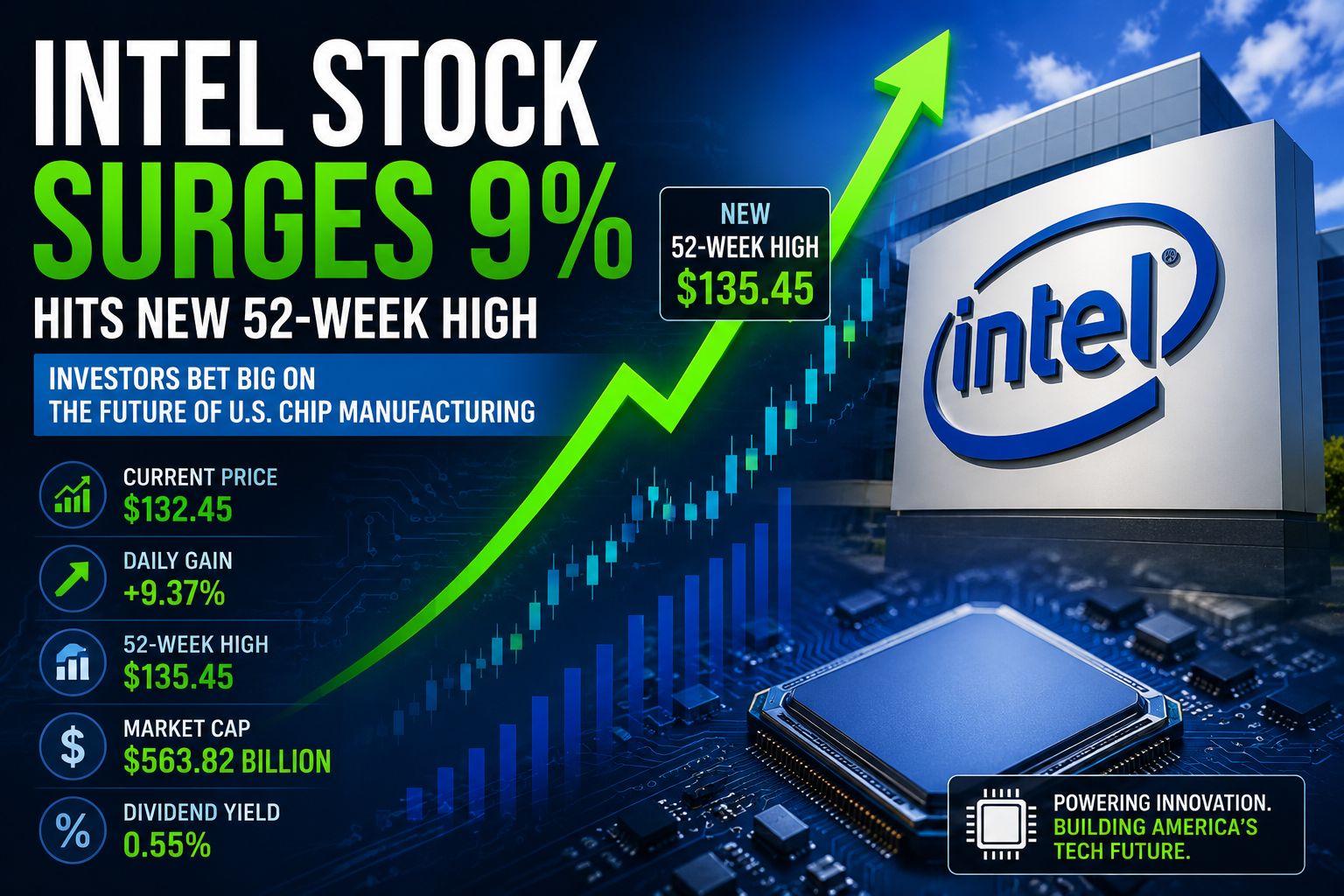
Investors appear to recognize this potential. News of a possible collaboration was viewed positively because it suggests Intel may finally be gaining traction in a business area that has long been considered critical to its future growth.
Still, optimism should be balanced with caution. Discussions between technology companies do not always result in production orders, and no official manufacturing commitments have been publicly confirmed.
The Bigger Picture: Bringing Chip Production Home
The reported discussions also highlight a broader trend within the technology industry. Governments and corporations alike are increasingly focused on expanding domestic semiconductor production. Why Apple’s Reported Move Toward Intel Is Turning Heads. Supply chain disruptions over the past several years have demonstrated how important advanced chip manufacturing is to economic stability and national competitiveness.
A partnership between Apple and Intel could align with efforts to strengthen American semiconductor manufacturing capacity. Producing more chips domestically may help improve supply chain resilience while creating new opportunities for technological innovation and investment.
What Happens Next?
At this stage, the situation remains uncertain. While reports indicate that Apple has explored manufacturing options beyond its existing partners, there is no public confirmation of finalized orders or production schedules.
For Intel, securing a major customer such as Apple would be a significant milestone. Why Apple’s Reported Move Toward Intel Is Turning Heads. For Apple, expanding manufacturing relationships could provide greater flexibility and reduce long-term supply chain risks.
Until more details emerge, the technology world will be watching closely. Whether the discussions lead to a groundbreaking partnership or simply remain exploratory talks, they underscore the growing importance of semiconductor manufacturing in shaping the future of technology.
Conclusion:
The possibility of Apple and Intel working together has captured attention because it sits at the intersection of innovation, manufacturing, and economic strategy. While concrete details are still limited, the discussions highlight how critical semiconductor production has become in today’s technology-driven world.
If a formal agreement eventually materializes, it could mark an important step for both companies—and potentially for the future of chip manufacturing in the United States.